There’s no fixed number of hours that guarantees success in UPSC preparation. For most aspirants, 6–8 focused hours of study daily is more than enough when the time is planned…
Essays in UPSC preparation doesn’t require separate daily study hours in the beginning. Spending 1–2 hours per week is usually enough to build the habit of thinking, structuring ideas, and…
If you’re from a humanities background, CSAT can feel intimidating at first, but the paper is more about logic and comprehension than advanced mathematics. The goal is simply to cross…
Current affairs should be studied with the syllabus in mind, not as daily information collection. Focus on understanding important issues and linking them with subjects like Polity, Economy, Environment, and…
Choosing an optional subject is less about “scoring subjects” and more about what you can study consistently for a long time. Start by checking the syllabus of a few optionals…
Motivation naturally goes up and down during long UPSC preparation, so relying on it alone doesn’t work. What helps more is having a clear routine and small daily targets that…
Self-doubt is a natural part of UPSC preparation, especially when progress feels slow or the syllabus looks overwhelming. Instead of fighting the feeling, focus on small, measurable progress like completing…
First thing first— no, not everyone can crack UPSC. And no, it’s not about intelligence. This exam does not demand extraordinary brilliance. It rewards consistency, discipline, and the ability to…
The simplest way to know you’re studying the right things is to keep your preparation aligned with the UPSC syllabus and Previous Year Questions. If what you’re studying connects directly…
Yes, you can crack the UPSC exam through self-study. Thousands have done it, and so can you. What truly matters is not where you study, but how you study. The…
Starting UPSC preparation from scratch can feel overwhelming. Many aspirants face confusion, self-doubt, and uncertainty about where to begin. Therefore, instead of collecting multiple books or strategies, focus first on…
1. Feeling Lost About How to Start UPSC Preparation? Everyone who starts UPSC preparation feels lost in choices that he needs to make right from where to start, what resources…
What's the best AI for UPSC? AI is changing UPSC preparation fast. But most aspirants are using it the wrong way. They ask random questions, get long answers, feel productive……
UPSC Prelims and Mains preparation has always been tough. Not because students don’t work hard.But because most of their effort gets lost in confusion. They collect PDFs.They follow multiple sources.They…
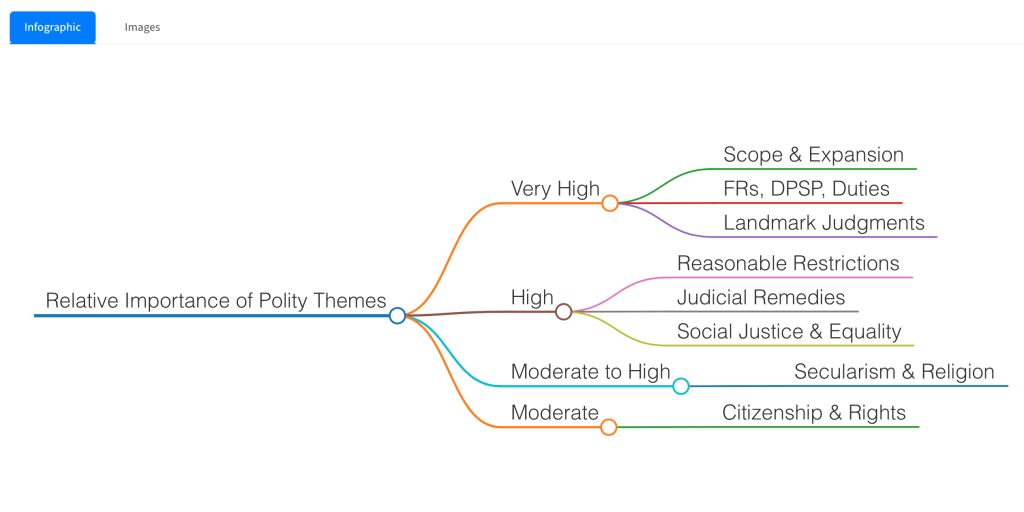
Indian Polity is one of the highest-weightage and most predictable subjects in UPSC.Yet, many aspirants struggle because they either: Read Polity passively, or Memorise facts without understanding why topics matter…
Topic-wise PYQ (Previous Year Questions) practice is one of the most reliable strategies for UPSC preparation. It helps aspirants identify recurring themes, understand examiner expectations, and strengthen conceptual clarity across…
UPSC Essays is not about presenting information.It is about critical thinking. You can revise facts, but you cannot memorize an essay. The moment you try, the essay becomes mechanical and…
From Shabbir & Deb, Founders of Yooki UPSC preparation is changing. Now there are a lot more aspirants, doing self-study with AI . This is not a trend we read…
AskYooki vs ChatGPT - what's better? AI tools are now part of UPSC preparation.Most aspirants have used ChatGPT at least once. Many also ask this question: Is ChatGPT enough for…
Let us discuss UPSC AI Tools. AI tools are now common in UPSC preparation.Many aspirants use ChatGPT, Gemini, or coaching AI tools. Some feel helped.Many feel confused. So the real…